ACP: Canned food is part of Portuguese food history, how did Conserveira do Arade start, was there a specific moment, or was it a process that took shape over time?
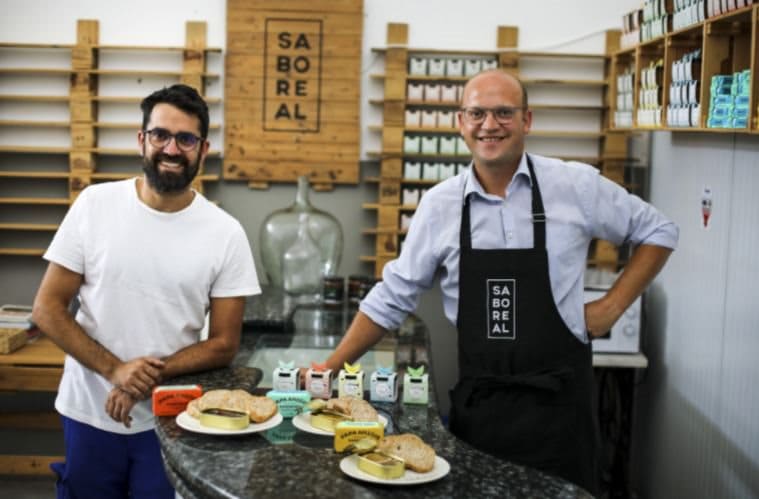
Conserveira do Arade: It was founded in 2015 by two partners with different backgrounds, but with the same vision: to enhance the value of the Portuguese canning tradition. Manuel Mendes, from Algarve and a pharmacist by training, spent most of his career in Portugal and England. Vincent Jonckheere, a Belgian with a degree in economics, built his professional career between the hotel and catering business and teaching.
In 2013 Vincent visited the Portimão Museum, dedicated to the history of the canning industry in the Arade basin. That visit sparked the idea of creating a new cannery in the region. Between that first inspiration and the opening, in 2015, Vincent met Manuel and shared with him how difficult it was to find local partners willing to believe in the project. The next day, Manuel got in touch with Vincent and in 2015 the factory was founded, operating and growing to this day.
The idea arose when a clear gap was detected: despite the strong canning tradition in the Arade river basin, there was no longer any active production unit in the Barlavento Algarvio. The project took shape with the desire to recover this local know-how and combine it with a contemporary approach, focusing on the quality of the product, artisanal production and the enhancement of the Algarve region.
ACP: How did each product come into being?
Conserveira do Arade: Our preserves are made using traditional methods, with selected raw materials and high quality ingredients. The range was designed to promote a diverse and balanced consumption of fish by touching on various species. The first line we developed was that of the Petiscadas, under the Saboreal brand: preserves in glass jars, with hand-crumbed fish, combined with vegetables and seasonings from the Algarve.
They are very versatile products, designed to be eaten as an appetizer, a starter or even as a base for a dish. This line was born out of a desire to differentiate ourselves in a very competitive market. When we launched it, there were no other preserves of this type in Portugal, and this helped us to define our own identity. Over the years, the range has expanded, with new species, original combinations and a distinctive design.
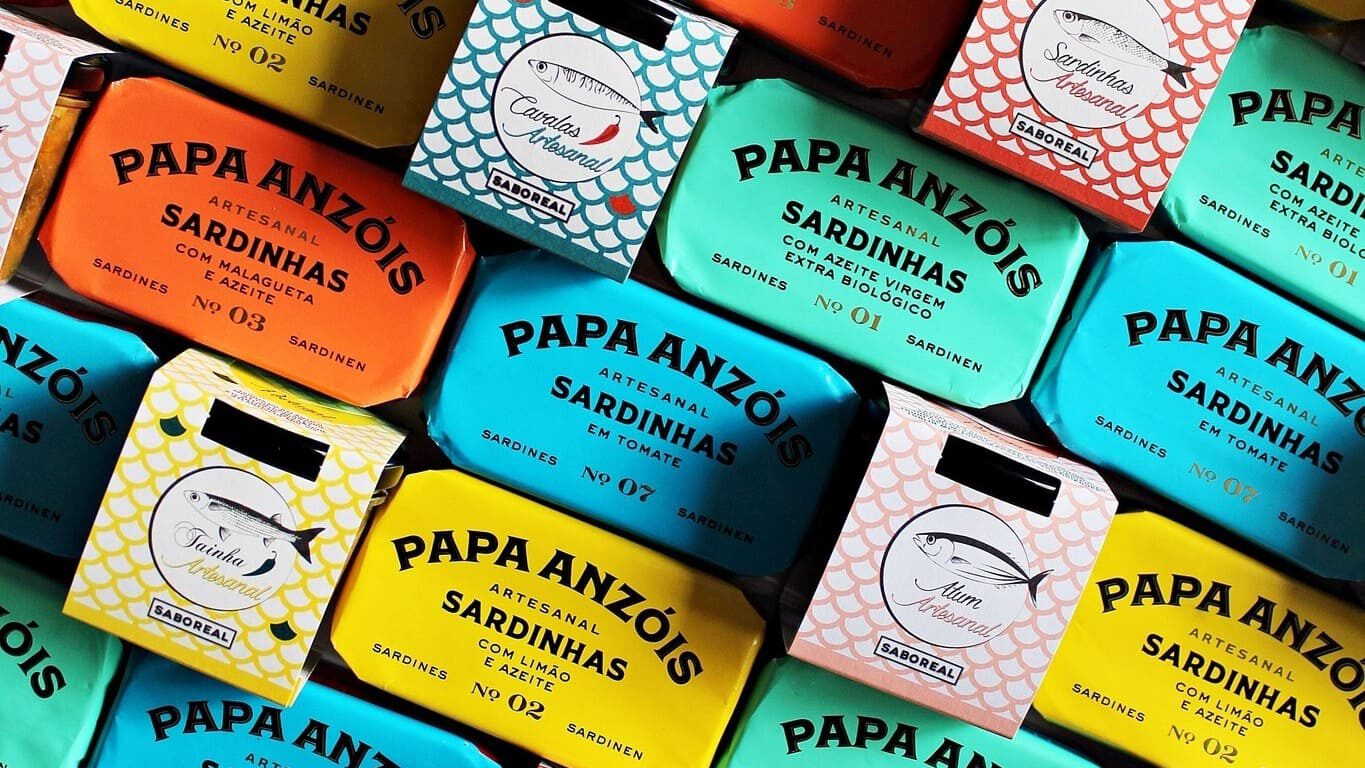
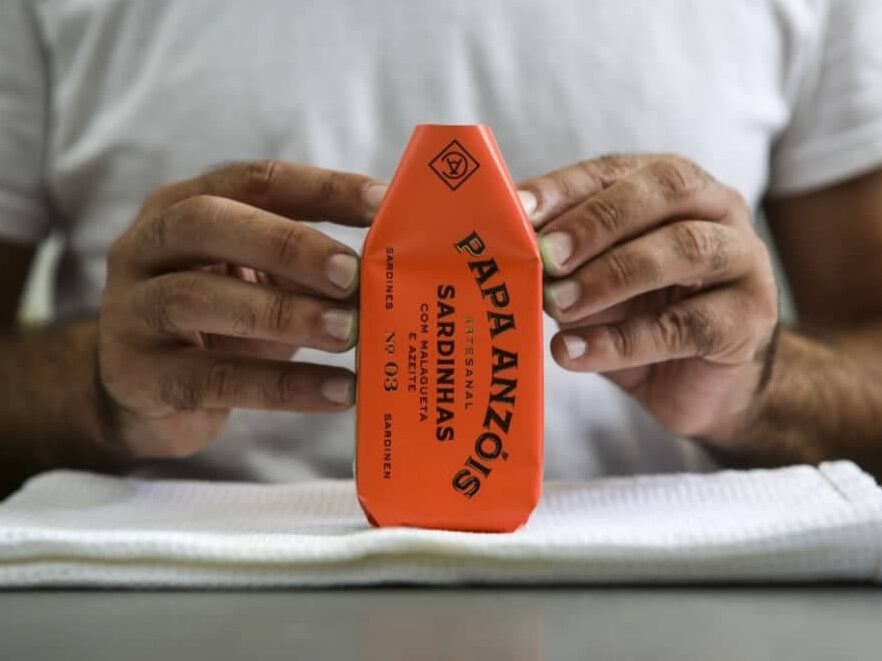
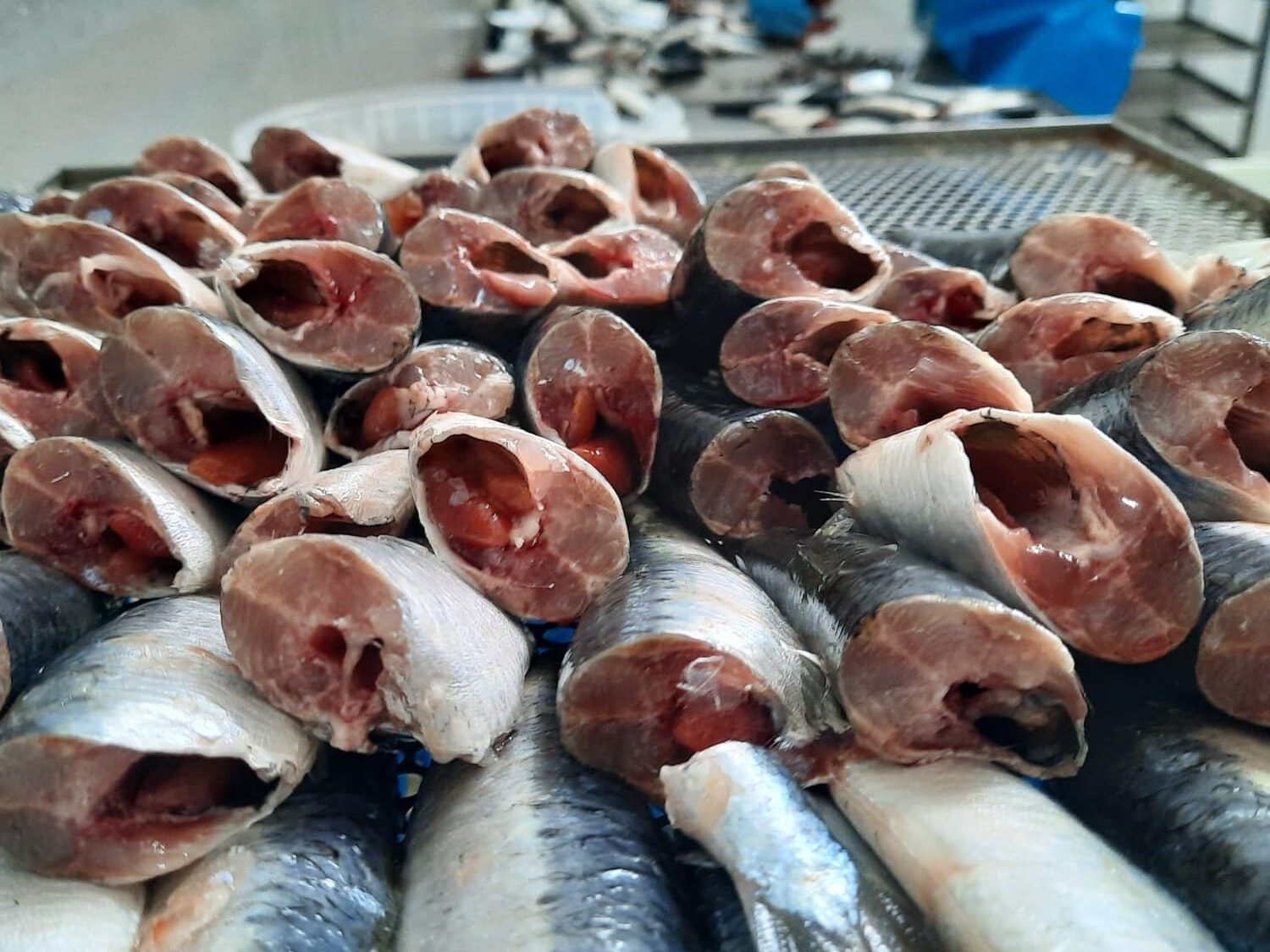
Later on, we launched Papa Anzóis, a brand focused on traditional canned food, produced in small controlled batches, with sardines and other species. Here too, differentiation is key: unlike the conventional process, we do not pre-cook the sardines before canning; we opt for a slow dehydration method. As far as we know, we are the only ones in Portugal who work this way. It is a slower technique, yes, but it allows us to better preserve the structure of the fish and keep more of its natural fat, as well as achieving greater nutritional preservation.
In 2025, we strengthened the Papa Anzóis range with two new premium products: canned octopus from the Algarve coast and cachaço de bacalao, both preserved in organic extra virgin olive oil.
ACP: What stages are part of the «creative» process until a preserve is “approved”?
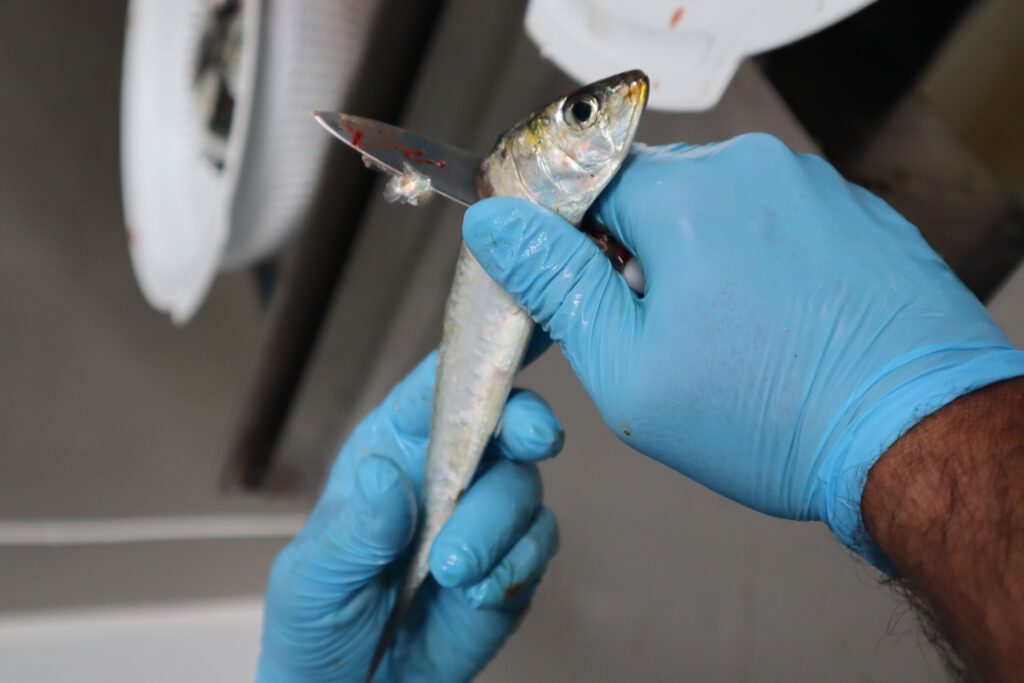
Conserveira do Arade: Developing a new preserve is always a careful, artisanal process. It all starts with fresh fish and seasonal products, inspired by traditional recipes. But each product goes through several rounds of testing until the perfect balance is achieved. Manuel and Vincent are always very present: they test, adjust and experiment again and again.
To arrive, for example, at the smoked sardine in oil, it took several tests: the smoking is done twice, first in the fish and then in the oil, and they only come together in the can the next day. The result is a very special balance between the smoked taste and the texture of the fish.
In addition, feedback from partners, customers and chefs who work with our brands is critical. Each comment helps refine existing recipes and develop new ones, ensuring that each approved preserve reflects the craftsmanship, quality ingredients and authentic taste we want to convey.
ACP: Preserves have always been a staple food, a staple, so to speak. How do you manage the fact that today they are also a highly appreciated and sought-after product outside Portugal? What challenges and surprises do you encounter along the way?
Conserveira do Arade: For us, the internationalisation of Portuguese preserves is a natural recognition of their historical, gastronomic and nutritional value. In Portugal, preserves are part of the everyday table; in other markets, they are often perceived as a gourmet product, and this requires careful adaptation, without losing their essence.
The main challenge is to maintain authenticity, the artisanal process, the quality of the fish and ingredients, respect for tradition and at the same time respond to the demands of international markets, both in terms of regulations and consumer expectations. Producing in small batches has natural limits of scale and does not always fit in with growing demand, but this choice is part of our identity.
And as for the surprises: they have been very good. In many markets, people are really interested in the story behind the product, the territory of origin and how it is made. There is a genuine curiosity to understand what an artisan preserve is.
ACP: If someone opens one of your tins without knowing anything about the Algarve or Portuguese preserves, what would you like to be clear in the first mouthful? And why?
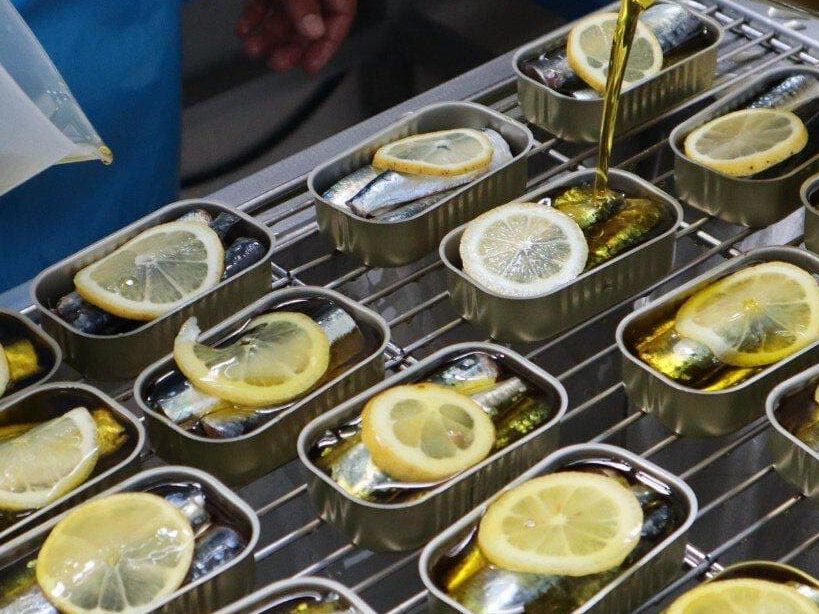
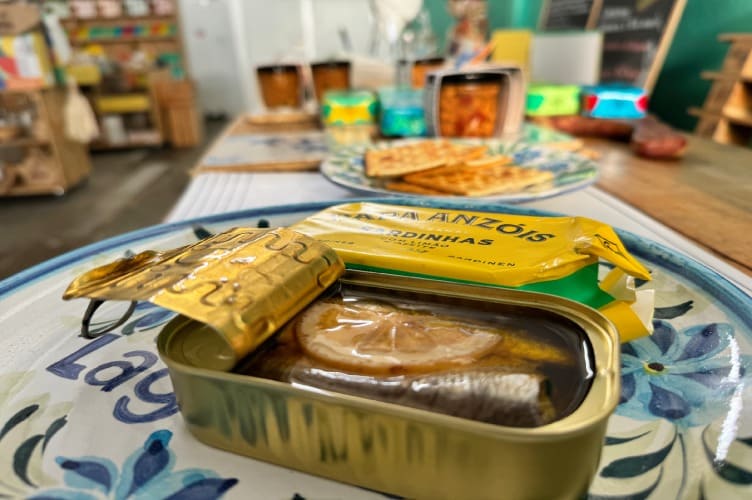
Conserveira do Arade: In the factory we do guided tours with tasting included, and one of our favourite moments is opening a can in front of the customer: that attentive look, and then the smile when you see the beautiful, firm, whole and “plump” sardines that instantly whet your appetite.
In the first bite, we want you to notice that it is a firm fish, full of flavour, wrapped in oil that we have chosen with the greatest care. A true “golden liquid” that not only preserves, but enhances the flavour of the fish and reflects our commitment to quality and respect for the Portuguese canning tradition.
ACP: The Conserveira do Arade was born in 2015. Throughout these more than 10 years, what has changed, is there anything you did at the beginning that you no longer do today or decisions that are clearer today than when you started?
Conserveira do Arade: Throughout these more than 10 years, we maintained our commitment to artisanal production and quality ingredients, but many things evolved naturally. At the beginning we were more in exploration mode: testing processes, discovering combinations and understanding how to balance tradition and innovation.
Over time, this experience gave us more confidence to develop new products, such as smoked sardines or the premium launches of octopus and cachaço de bacalao. We also fine-tuned the processes and details that make the difference, from the selection of fish and seasoning, to the choice of oil and timing, to ensure that flavour, texture and nutrients are always at their best.
Another big change has been internationalisation: today our preserves reach markets outside Portugal, where they are perceived as high quality products. This has brought challenges and learning, but always maintaining our artisan essence and the attention to detail that characterises us. In short: we continue to experiment and innovate, but now with more method, more experience and more clarity.
ACP: What can we expect for the future?
Conserveira do Arade: We like to work with companies that truly defend the quality of the product, but also a certain production philosophy. In recent years, we have been receiving more and more visitors to our facilities: people interested in finding out how artisanal preserves are made. This represents a growing percentage of direct customers and allows us to “feel” the market up close: to see, smell, hear and better understand what people are looking for.
Our first challenge is to match the constant growth in demand with the factory's actual production capacity. That is why we are continuing to invest in 2026 to structure the production line with two objectives: to produce more and to produce better and better. In the short term, we also want to bring in new recipes to meet the wishes of our customers.
And as we seek to bring the consumer ever closer to the producer, we want to increase the number of visitors to our facilities and maintain a quality relationship with our fans, who have accompanied us over the years. They are our best marketing.
.