In Portugal, its presence is almost transversalIt appears at Sunday lunches, birthdays, impromptu celebrations, Christmas tables and in the windows of patisseries that know what they are doing. It is not a ceremonial sweet, nor does it require great technical sophistication.
Its strength lies elsewhere: in memory, in repetition and in that perfect blend of simplicity and character.
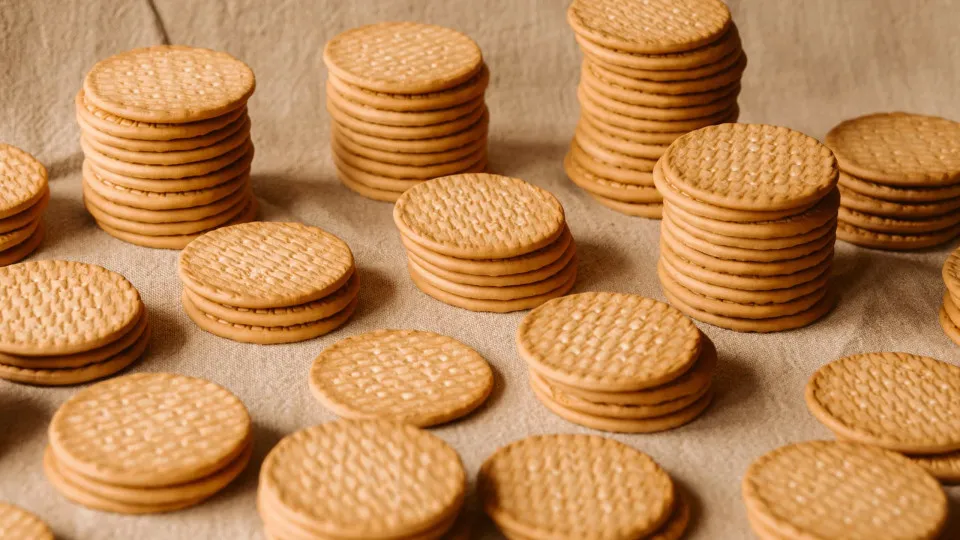
Although its history does not have an exact and closed date of birth like other great pastry icons, the bolo de bolacha is part of that tradition of European homemade desserts built in layers, where biscuits, coffee and a rich cream do most of the work.
Over time, it ceased to be just a practical recipe and became a little national classic. Democratic, familiar and deeply comforting.
It has gone from grandmothers' kitchens to restaurants, from the most humble versions to the most careful reinterpretations, and it still has something that many modern desserts fail to achieve: an immediate power of evocation. It is enough to hear its name for someone to say that their mother's was better, that their aunt's had more coffee, that the real thing was made like this and not like that.
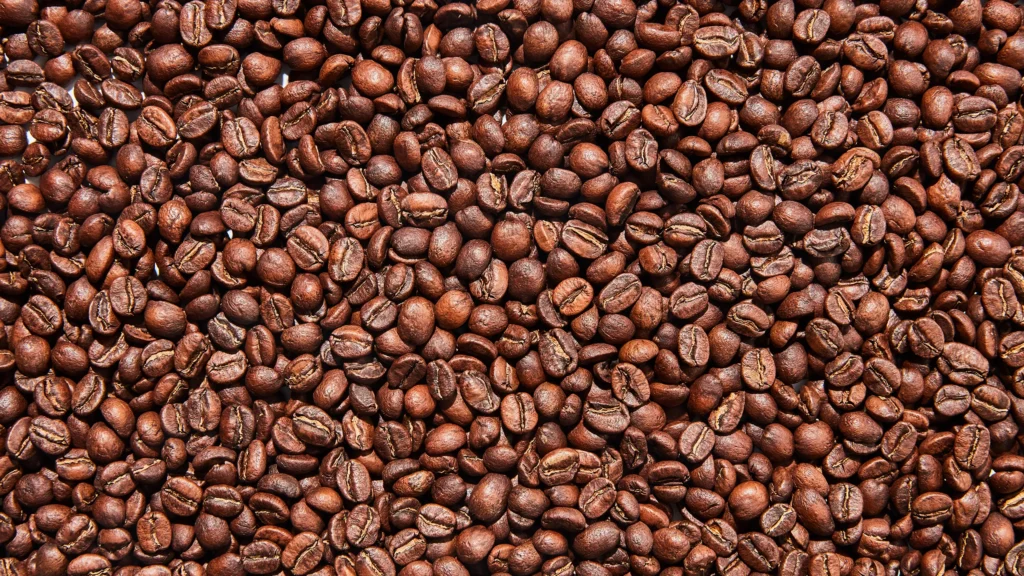
(At A Casa Portuguesa, for example, it has been the secret password to many of our parties, but this is top-secret-max).
And then there is the eternal question. The great battle. The debate that divides households, generations and baking sensibilities: buttered or unbuttered bolacha dumpling?
For many purists, the classic version with buttercream is the real deal: thicker, richer, with that unctuous, rounded texture. For others, this intensity is excessive, and they prefer lighter versions, made with cream. There is no absolute consensus, and perhaps that is part of its charm.
Bolacha bolo is not just a recipe, it's also an opinion, what's yours?
The recipe:
- 1 litre of cream
- 125 g sugar
- 1/2 litre of coffee
- Maria biscuit
- Whip the cream and add the sugar. When it is almost whipped, add 100 ml of coffee and continue beating until a creamy texture is obtained.
- Put a little cream in a mould and spread it with the biscuits to the sides, until everything is covered with a biscuit base.
- We add a second layer of cream, but this time we soak the biscuits in coffee before placing them, distributing them all over the mould, as we did before.
- Repeat the process, alternating layers of cream and biscuit, until you have 5 or 6 layers. Finish by covering well with cream, without the biscuits being visible.
- Put in the freezer, overnight, and that's it!
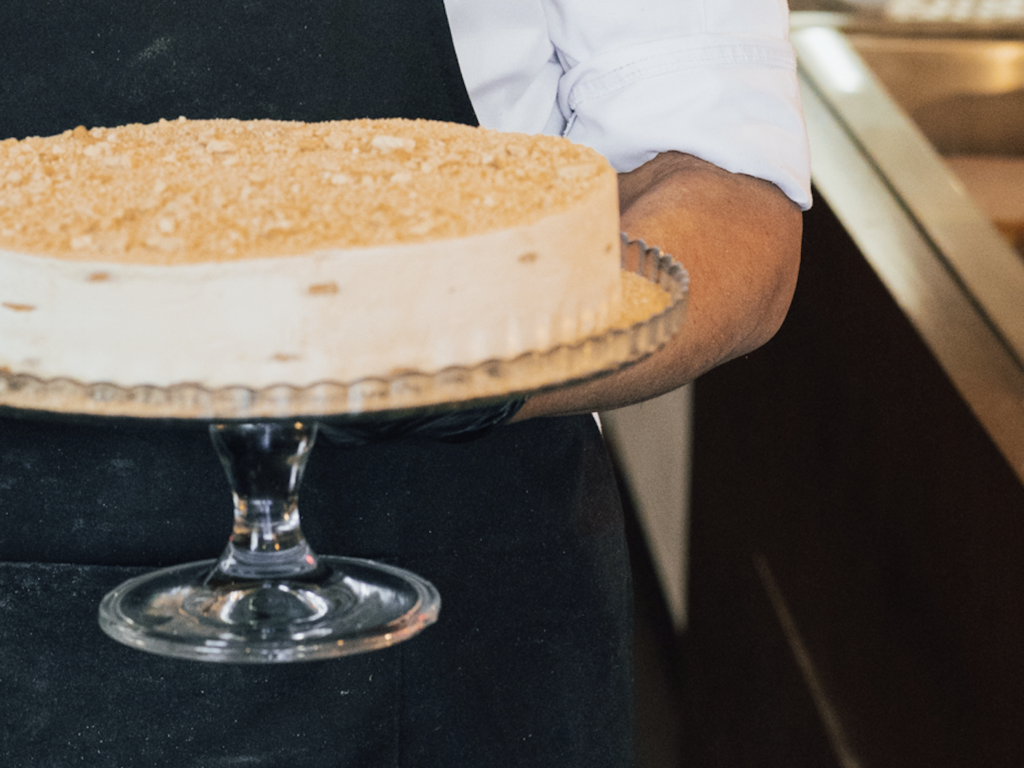
To decorate, serve with chopped biscuits, as you can see in the video.
Enjoy!